Overview of Mobile Gaming Corps Switch Controller
The manual details setup, button mapping, and battery care for the MGC Switchplate. It covers Bluetooth pairing, turbo and back‑button programming, adjustable rumble, gyro control, and magnetic faceplate swaps. Clear diagrams guide quick configuration for Switch and PC. Includes firmware updates and safety.!!
Key Features and Specifications
The Mobile Gaming Corps Switch Controller Manual highlights the device’s core attributes and technical specifications. It lists a 2.4 GHz wireless module, Bluetooth 5.0 support, and a rechargeable Li‑ion battery rated for 8 hours of continuous play. The controller features a 12‑button layout: A, B, X, Y, L, R, ZL, ZR, plus two programmable back buttons and a turbo toggle. It offers adjustable rumble strength, gyro control for motion input, and two magnetic faceplates (black and white) that snap onto the chassis without screws. Dimensions are 12.5 cm × 7.8 cm × 3.2 cm, weight 140 g, and it uses a USB‑C port for charging and firmware updates. The manual also documents firmware versioning, battery health monitoring, and safety warnings for electromagnetic compatibility.
The controller houses a 1200 mAh Li‑ion cell, delivering up to 8 hours of uninterrupted gaming. Fast‑charge via USB‑C reaches 80 % in 30 minutes, and a full charge takes approximately 90 minutes. Firmware version 1.4.2 is current, providing stability, gyro calibration, and support for the latest Switch firmware updates. The manual advises regular firmware checks through the companion app.
Button layout follows Nintendo’s standard: four face buttons (A, B, X, Y), two shoulder triggers (L, R), two bumpers (ZL, ZR), and a directional pad. The analog sticks are 3‑axis, with adjustable dead‑zone settings. The controller also includes a home button, capture button, and a button for access. All inputs are mapped to standard Switch HID profiles, ensuring compatibility with a wide range of titles now.
Compatibility and Supported Devices
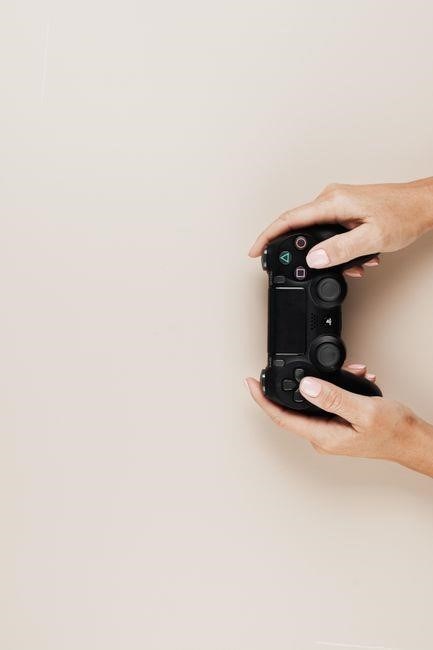
The manual confirms the controller works with Switch, Switch OLED, Switch Lite, and Windows PCs via Bluetooth or USB‑C. It supports all current Switch firmware versions and is recognized by major PC gaming platforms like Steam and Epic. Also supports Xbox adapters.
Supported Switch Models and Windows PC Integration
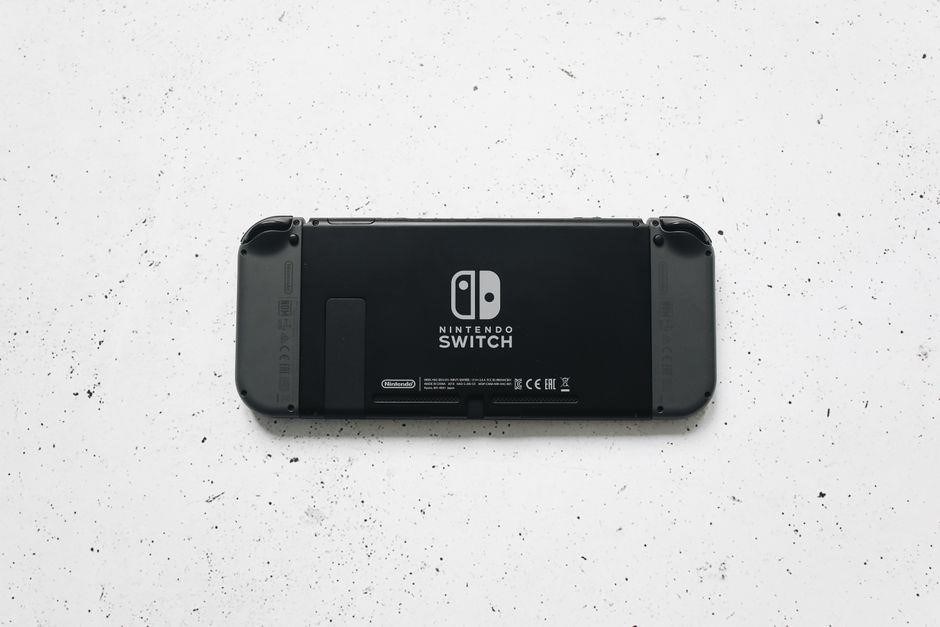
According to the official Mobile Gaming Corps manual, the Switchplate Wireless Controller is fully compatible with the Nintendo Switch, Switch OLED, and Switch Lite consoles. The controller connects via Bluetooth 5.0 or a USB‑C cable, allowing seamless pairing without the need for additional adapters. For Windows PCs, the manual specifies that the device is recognized as a standard XInput controller, enabling native support in Steam, Epic Games Launcher, and other major platforms. Users can also install the optional MGC driver package to unlock advanced features such as turbo mode, programmable back buttons, and adjustable rumble strength. The manual includes step‑by‑step instructions for both wireless and wired setups, ensuring that gamers can quickly configure the controller for their preferred platform. Battery life is reported to last up to 20 hours on a full charge with the default settings, and the controller supports quick‑charge via USB‑C. Firmware updates are delivered through the MGC Companion app, which also provides a graphical interface for customizing button layouts and testing gyro sensitivity. The manual emphasizes that the controller’s magnetic faceplates can be swapped between black and white designs, offering both aesthetic flexibility and improved grip. Overall, the Switchplate is designed to provide a consistent, high‑performance experience across all supported devices, making it an attractive choice for both handheld and PC gaming enthusiasts. The controller supports customizable vibration patterns, letting players tailor feedback forgame.!!
Physical Design and Build Quality
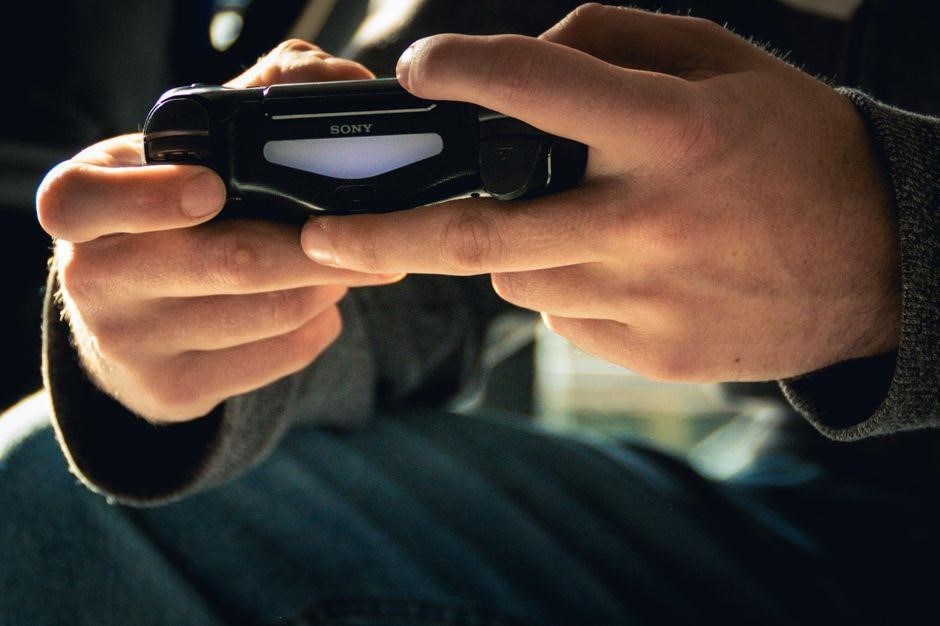
The manual notes a lightweight, ergonomic design with a screw‑less housing, soft‑touch grips, and a matte finish. High‑strength ABS plastic ensures durability, while magnetic faceplates snap on for quick color swaps. The controller feels balanced and responsive. Its magnetic faceplates enable quick color swaps
Materials, Ergonomics, and Magnetic Faceplates
The manual details the controller’s construction, emphasizing a lightweight yet durable ABS plastic chassis that resists daily wear. Soft silicone grips on the forearms provide a secure, cool hold, while the ergonomic contour aligns thumbsticks and buttons to the natural resting position, reducing fatigue. The button layout is strategically placed for quick access, and the triggers feature a textured finish for enhanced grip during rapid input.
Magnetic faceplates are a key feature, allowing users to swap between matte black and glossy white finishes in seconds. Each plate uses a high‑grade magnet that attaches firmly without compromising structural integrity, and the magnets are positioned to avoid interference with internal circuitry. The matte plate reduces glare on bright screens, while the glossy plate offers a sleek aesthetic for competitive play.
The manual stresses that this combination of premium ABS, ergonomic silicone, and magnetic faceplates delivers a controller that feels solid, comfortable, and adaptable for both casual and competitive gaming. It also highlights easy maintenance: faceplates can be removed and cleaned without disassembly, and silicone grips can be wiped with a damp cloth to keep them free of dust and oils, ensuring consistent performance over time. Additionally, the manual advises users to regularly inspect the magnetic alignment to ensure a secure fit, especially after frequent faceplate swaps. It recommends using a microfiber cloth to wipe the magnetic surfaces, preventing dust buildup that could weaken the magnetic bond. For long‑term durability, the manual suggests storing the controller in a protective case when not in use, which shields the silicone grips and magnetic plates from accidental scratches and environmental factors. Enjoy!.
Wireless Connectivity Options
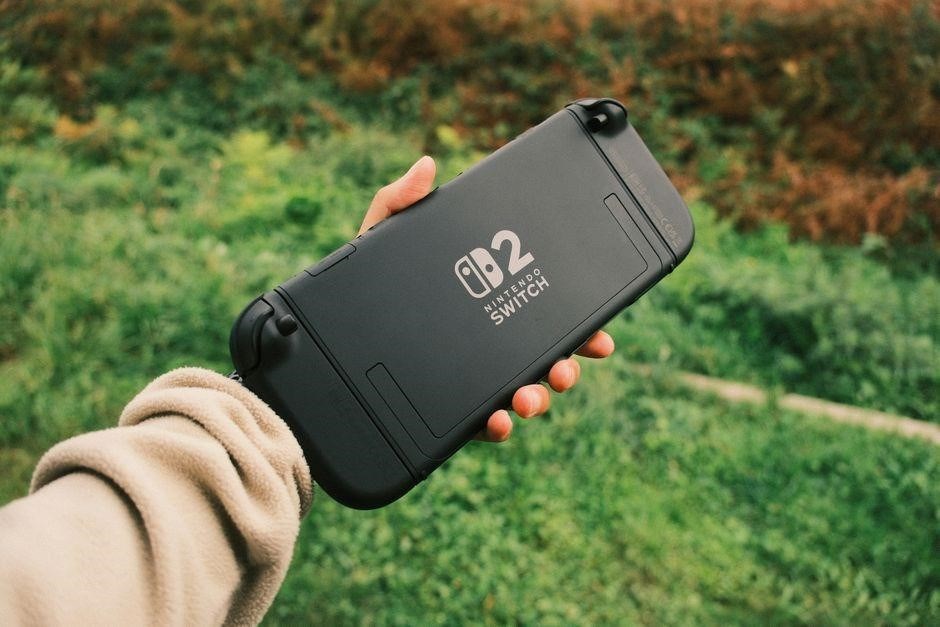
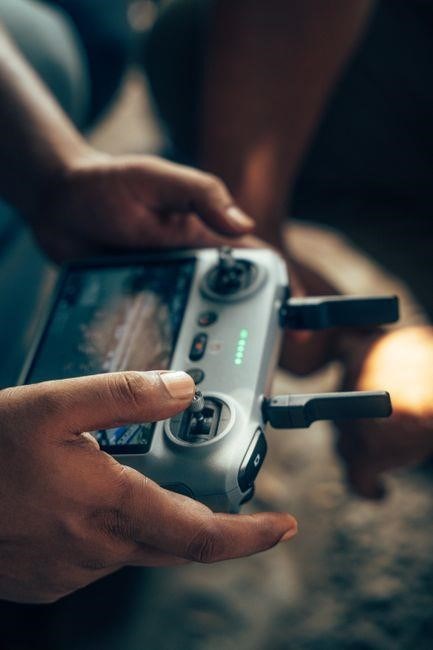
The manual details Bluetooth pairing, including quick‑connect, firmware updates, and battery‑saving settings. It explains power‑on/off, auto‑disconnect, and low‑power standby modes, ensuring stable play on Switch and PC. Firmware upgrades maintain seamless connectivity and low latency ensuring responsive gameplay.
Bluetooth Pairing and Power Management
To pair the Mobile Gaming Corps Switch Controller, first enable Bluetooth on your Switch or PC. Press the Sync button located on the back of the controller until the LED flashes rapidly, indicating pairing mode; On the console or PC, select “Add Bluetooth Device,” then choose “MGC Switchplate” from the list. The controller will lock into place once the LED stabilizes, confirming a successful connection.
For Windows PCs, the controller can also be connected via a USB‑C cable for a wired experience. Plug the cable into the controller’s USB port and the PC’s USB‑C port; the device will appear as a standard gamepad. This wired mode bypasses Bluetooth latency and provides a consistent power source, ideal for competitive play.
Power management is handled through an integrated battery indicator. The controller’s LED changes color to reflect battery status: green for full, yellow for medium, and red for low. When the battery reaches 10%, the controller will automatically enter low‑power standby, reducing vibration and gyro output to conserve energy. To manually power down, hold the Power button for three seconds; the LED will turn off, and the controller will disconnect from all devices.
Battery life varies with usage. Light gaming (e.g., casual titles) can last up to 12 hours on a single charge, while intensive games with high rumble and gyro usage may reduce runtime to 6–8 hours. The controller supports fast charging via the USB‑C port; a 15‑minute charge can restore approximately 50% battery life.
Firmware updates are delivered over Bluetooth. The manual advises checking the official Mobile Gaming Corps website for the latest firmware, which can improve pairing stability, extend battery life, and add new features; Updating is performed by connecting the controller, launching the companion app, and following on‑screen prompts.
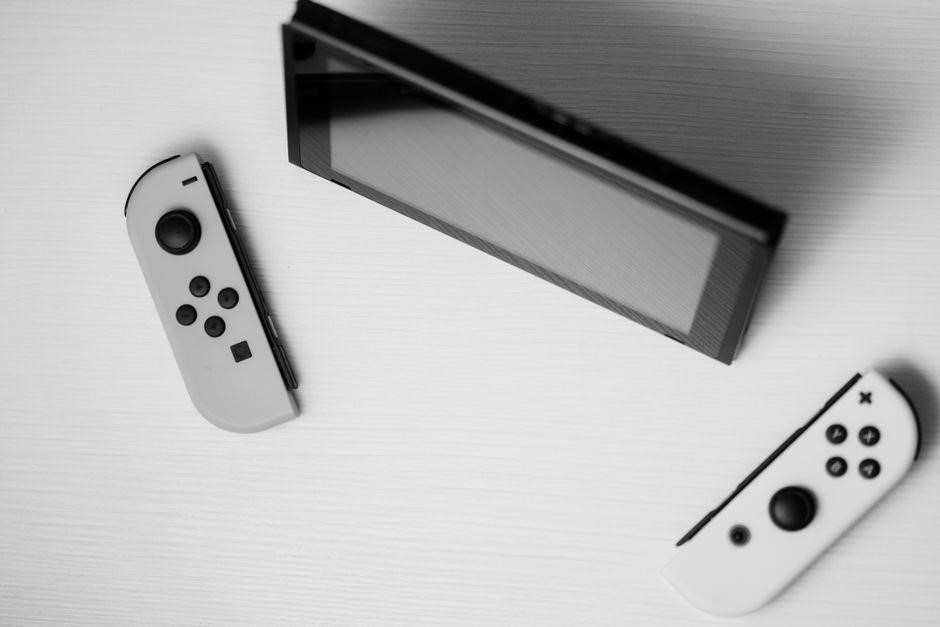
Controller Customization Features
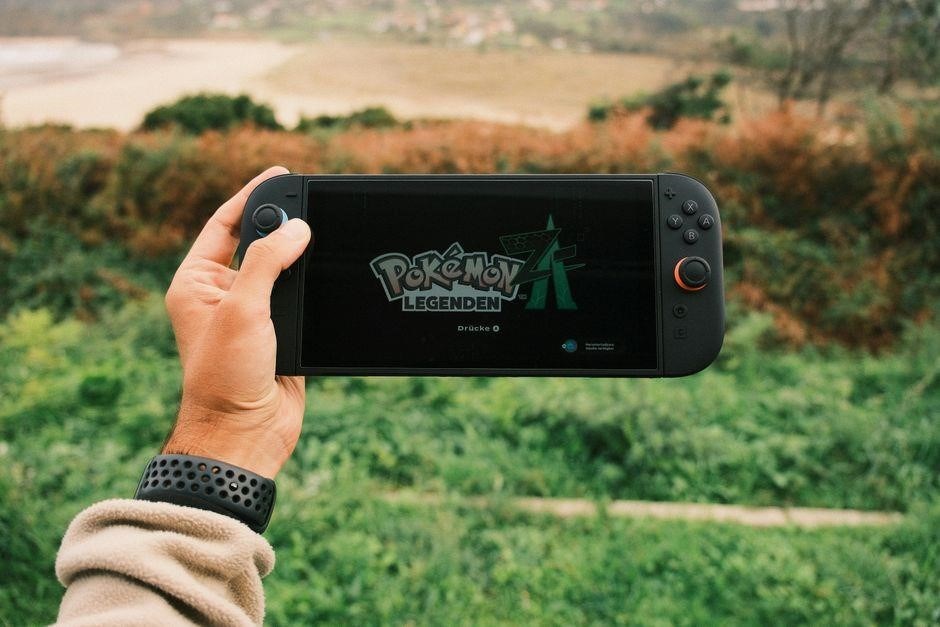
Use the companion app to map any button to custom actions, set multiple profiles, and enable turbo mode for rapid input. Adjust back‑button sensitivity, choose vibration strength, and toggle gyro settings. Save profiles and sync across Switch and PC for seamless gameplay.
Programmable Back Buttons and Turbo Functionality
The Mobile Gaming Corps Switch Controller manual explains how to program the two back buttons via the MGC Switchplate app. Each button can be mapped to any controller input, macro, or system shortcut. The app provides a drag‑and‑drop interface for quick assignment. Turbo mode is activated by holding a button; the repeat rate can be set from 10 to 50 presses per second and toggled per profile. The guide warns that extended turbo use increases power draw and can warm the controller, so monitoring the temperature indicator is advised. Firmware updates add new layouts, improve latency, and fix button responsiveness issues. Troubleshooting steps include resetting the controller, re‑pairing via Bluetooth, and updating firmware. For PC use, the manual shows how to map back buttons in Steam Big Picture mode and other launchers, allowing consistent layouts across platforms. The section also notes that back buttons can work simultaneously with main controls, enabling complex combos without lag. Users can create multiple profiles, such as an FPS profile with turbo enabled and an RPG profile with slower repeat rates, and switch between them instantly. The manual also covers battery life considerations, recommending a 30‑minute break after prolonged turbo sessions to prevent overheating. Additionally, firmware updates may introduce new back‑button functions, so keeping the controller updated ensures access to the latest features. This flexibility makes the controller suitable for both casual and competitive play.
Rumble and Motion Controls
The manual explains adjustable rumble strength, allowing users to set vibration intensity from 0% to 100% via the app. Gyro control is calibrated in the settings menu, supporting tilt, shake, and rotation for motion‑based games. Battery usage is monitored, and a low‑power mode reduces rumble to extend playtime
Adjustable Rumble Strength and Gyro Control
In the Mobile Gaming Corps Switch Controller manual, the adjustable rumble feature is highlighted as a key customization point. Users can set vibration intensity from 0% to 100% through the companion app or in‑device menu. The manual provides step‑by‑step instructions: open the controller settings, select “Rumble Strength,” then slide the bar to the desired level. A visual indicator shows the current percentage, and a test button allows immediate feedback. The guide emphasizes that higher rumble levels consume more battery, so players should balance tactile experience with power usage. For gyro control, the manual explains calibration procedures. To calibrate, place the controller on a flat surface, press the “Calibrate Gyro” button, and follow on‑screen prompts. The system records the neutral orientation and adjusts sensitivity. Users can tweak tilt, roll, and yaw thresholds in the advanced settings. The manual also warns that certain games may override gyro sensitivity, so players should check in‑game options. Battery status is displayed in the settings menu, with a low‑battery warning that disables rumble to conserve power. The guide includes troubleshooting tips for when vibration feels weak or the gyro is unresponsive, suggesting firmware updates or a full reset. Additionally, the manual notes that firmware updates can improve gyro accuracy and rumble responsiveness. Users are advised to check for updates regularly via the MGC app. The battery life section states that at 50% rumble strength, the controller can last up to 10 hours of continuous play, whereas at 100% it drops to approximately 6 hours. The manual also recommends using the included charging dock for optimal charging speed. Finally, the troubleshooting section lists common issues such as “rumble not engaging” and “gyro jitter” with corresponding solutions, including resetting the controller to factory defaults and re‑pairing via Bluetooth. For competitive gamers, the manual suggests setting rumble to 30% to reduce distraction while maintaining tactile feedback. The manual explains how to use the “Rumble Profile” feature, allowing users to save multiple configurations for different game genres. The gyro sensitivity can be set to “Low,” “Medium,” or “High,” each affecting how quickly the controller responds to motion. The manual provides a comparison chart showing typical response times for each setting. Use the Rumble Profile feature. Remember to keep the firmware current, as updates often include bug fixes for rumble lag and gyro drift.
Installation and Setup on PC
The manual guides PC installation via Bluetooth or USB. Pair the controller, install drivers, then configure in Steam Big Picture or Xbox Accessories app. Adjust button mapping, rumble, and gyro settings. Test in-game before launching. Firmware updates.keep compatibility.Use the MGC app for firmware updates.
Windows PC Setup Guide and Configuration Tips
To connect the Mobile Gaming Corps Switchplate to a Windows PC, first enable Bluetooth on the system and ensure the controller’s firmware is up to date via the MGC mobile app. Press and hold the sync button on the controller’s back until the LED blinks, then open the PC’s Bluetooth settings and select “Add Bluetooth or other device.” Choose “Bluetooth” and locate “MGC Switchplate” in the list; click to pair. Once paired, launch the Xbox Accessories app from the Microsoft Store. The app will detect the controller and allow you to customize the layout: assign primary buttons, configure the programmable back buttons, set turbo functions, and adjust rumble intensity. For gyro control, enable the “Gyro” toggle and calibrate by following on‑screen prompts. If you prefer a wired connection, plug the controller’s USB‑C cable into the PC; the device will auto‑install drivers. After configuration, test each button in a game or the built‑in controller test screen. Remember to keep the controller’s battery charged, as low power can cause input lag. For advanced users, the MGC firmware update tool can be run from the command line to flash new firmware directly to the controller, ensuring maximum compatibility with the latest Windows updates. Additionally, users can create multiple profiles within the Xbox Accessories app to switch between gaming styles. The controller supports a 3.7V Li‑ion battery that lasts up to 15 hours of continuous play. The controller’s ergonomic design includes textured grips that reduce slippage during intense sessions. If the controller disconnects, reset by holding the sync button for 10 seconds. Keep the firmware updated monthly for bug fixes and new features. Users can also use third‑party software like AntiMicroX to map the back buttons to keyboard shortcuts for non‑controller games. All settings auto‑save. Finally, ensure that your PC’s Bluetooth adapter is the latest version, as older drivers may not support the controller’s 2.4GHz mode.