Start by keeping the frozen pastry chilled until ready. Set the appliance to low‑medium heat, then toast two cycles for a golden center. Avoid metal utensils; use a silicone or plastic tool. Keep the device monitored, and add icing only after cooling slightly. Add vanilla for depth. soon after!
What Is a Toaster Strudel
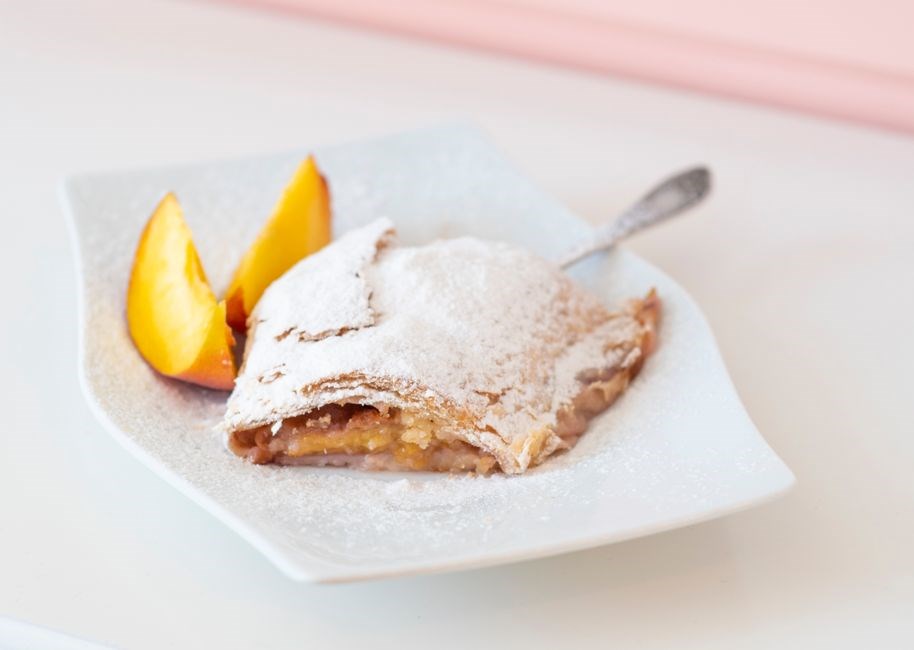
A toaster strudel is a pre‑filled, frozen pastry combining a flaky dough with a sweet or savory filling, designed for quick, convenient breakfast or snack preparation. Sold in individual portions, each pastry features a sealed, ready‑to‑heat package that can be placed directly into a toaster, toaster oven, or air fryer. Once the pastry is golden brown and the filling is warm, it is ready to be enjoyed. Manufacturers often recommend adding a glaze or icing after toasting, but this step is optional. The convenience of toaster strudels lies in their minimal preparation time—often under five minutes—and their ability to be stored frozen until needed, making them a popular choice for busy households, school lunches, or on‑the‑go meals. Its buttery crust offers a crunch that pairs with the creamy filling, making each bite a harmonic blend of textures.
The concept began in the 1970s when Pillsbury launched the first frozen pastry for toaster use. Since then, many flavors and brands have appeared, each offering a distinct dough texture and filling. Consumers choose based on taste, dietary needs, or convenience. Some variants are labeled “gluten‑free” or “low‑sugar.” Packaging usually has a clear window and a resealable zipper to keep freshness. Properly stored, pastries stay good for up to 12 months, letting households keep a supply for spontaneous cravings.
These pastries are popular as quick desserts, snack companions, or breakfast sides, offering a versatile option for families and individuals alike.Enjoy now.

Popular Flavors
Popular toaster strudel varieties span sweet and savory options, each crafted to satisfy different cravings. The most common flavor is the classic Cream Cheese Strawberry, a creamy filling encased in a buttery, flaky crust that melts in the mouth. Another beloved choice is the Cinnamon Roll, featuring a warm, spiced filling that delivers a comforting, bakery‑style experience. Apple flavor offers crisp, fruity center that balances sweetness with a subtle tartness. These staples, some brands provide a broader range, offering up to six distinct flavors, including chocolate, blueberry, and vanilla. Retailers such as Lowes Foods, Publix, and online grocery services frequently stock these varieties, ensuring that shoppers can easily find their preferred taste. The packaging typically includes a clear window and a resealable zipper, preserving freshness and allowing quick visual inspection before heating. When selecting a flavor, consider whether you prefer a classic sweet pastry or a more adventurous twist; the choice often depends on personal taste, dietary preferences or the occasion. Regardless of flavor, the preparation remains consistent: keep the pastry frozen until ready, toast on a low‑medium setting for 1–2 cycles, and optionally add icing or glaze after cooking for an extra touch of sweetness. Whether you’re craving a quick breakfast, a dessert, or a snack, these toaster strudels offer a convenient, tasty solution that fits into any busy schedule or relaxed weekend routine..
Safety Guidelines
Always place the toaster or toaster oven on a flat, heat‑resistant surface and ensure it is stable. Never leave the appliance unattended while it is heating, as unattended operation can lead to overheating or fire. Set the heat setting to low or medium; avoid high heat to prevent scorching of the pastry or damage to the appliance. Do not insert metal utensils into the toaster; use silicone or plastic tools to remove the pastry, as metal can cause sparks or damage the heating element. Do not attempt to preheat the toaster oven unless the manufacturer’s instructions explicitly allow it. Place the pastry on the tray or directly in the slots, ensuring it is not overcrowded, which can impede heat circulation. After toasting, allow the appliance to cool before handling it, and keep children and pets away from the hot appliance. If the pastry is not fully heated, repeat the cycle rather than increasing the heat. After removing the pastry, let it rest for a minute before adding icing or toppings. Dispose of packaging properly to avoid fire hazards. Follow the manufacturer’s recommended cycle times: typically 1–2 cycles for frozen pastries. Keep the area around the appliance free of flammable materials to reduce fire risk. Use a timer to track cooking time accurately. Avoid using the toaster oven for non‑food items. By following these safety steps, you can enjoy your toaster strudel without risk.
Preparation
Before you start, read the product label for heating instructions. Keep the pastry in its original plastic bag until ready to toast. Do not thaw; frozen pastries cook evenly and keep flaky texture. Place the toaster or toaster oven on a stable, heat‑resistant surface, away from flammable materials. If using a toaster, ensure slots are clean. For toaster ovens, preheat only if recommended; otherwise set to low‑medium heat. Do not use metal utensils; use a silicone or plastic spatula to avoid damaging the heating element. Insert the pastry so the filling faces upward, allowing heat to penetrate the center. Toast for 1–2 cycles, checking after each cycle for a golden brown exterior and warm interior. If the pastry isn’t hot enough, add another cycle instead of increasing heat. Once cooked, remove with a silicone spatula and place on a cooling rack. Let it rest a minute to set the filling before adding icing or toppings. Discard the plastic bag and any packaging responsibly. Clean the toaster or toaster oven according to the manufacturer’s instructions. For safety, keep the appliance unplugged when not in use and ensure the cord is intact. If you notice scorch marks or unusual odors, unplug immediately and inspect. By following these steps, you can safely enjoy a warm, flaky toaster strudel. If you prefer a crust, lightly brush the pastry with a beaten egg before toasting and enjoy!! Remember to let the pastry cool for a few minutes before cutting to avoid burns. And stay safe!
Standard Toaster Toasting
When using a standard toaster, begin by setting the heat to low‑medium. Place the frozen pastry in the slot with the filling facing up. Toast for 1–2 cycles, checking after each cycle for a golden brown exterior and warm interior. Do not use metal utensils; a silicone or plastic spatula is safest. Keep the toaster unattended only for short periods, and never leave it running while unattended. After toasting, remove the pastry carefully, allowing it to cool slightly before adding icing or toppings. If the pastry is not heated through, add another cycle instead of increasing the heat setting. Always follow the manufacturer’s safety guidelines and keep the toaster cord intact. For best results, let the pastry rest on a cooling rack for a minute before serving. This method preserves the flaky texture and ensures a safe, delicious breakfast. Use a toaster with adjustable slots to accommodate different pastry sizes. If your toaster has a crumb tray, place it under the pastry to catch any melted filling. After toasting, let the pastry sit for a minute to allow the filling to set before cutting. If you prefer a crispier crust, toast the pastry on the reverse side for an additional 30 seconds. Always check the toaster’s manual for any specific recommendations regarding pastry thickness. If you notice any burning or excessive smoke, immediately unplug the toaster and inspect the pastry. After cooling, store any leftovers in an airtight container to maintain freshness. Enjoy the warm, flaky treat!
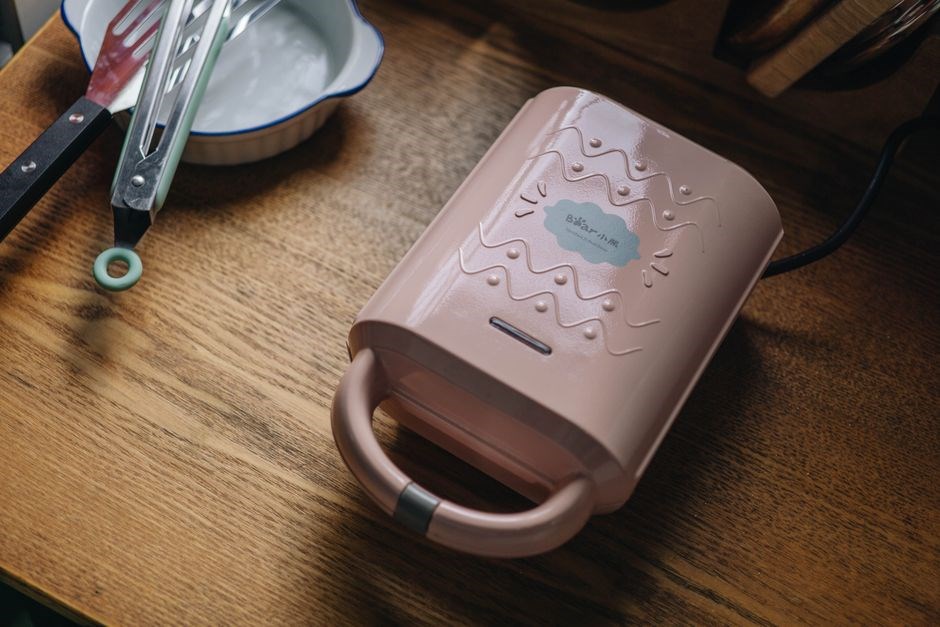
Toaster Oven Toasting
Place the frozen pastry on a parchment‑lined tray, filling side up. Set the oven to low‑medium heat, usually 325–350 °F (160–175 °C). Toast for 8–12 minutes, flipping halfway, until the crust is golden and the filling is steaming. Avoid metal utensils; a silicone spatula works best. Keep the oven door closed and never leave the appliance unattended. If the pastry isn’t fully heated, add a minute‑long interval rather than increasing the temperature. After removal, let the pastry sit on a cooling rack for one minute to set the filling before adding icing or toppings. Store any leftovers in an airtight container to preserve freshness. Follow the manufacturer’s safety guidelines and ensure the oven cord remains intact. This method yields a crisp exterior while maintaining a warm, creamy interior. Enjoy responsibly!
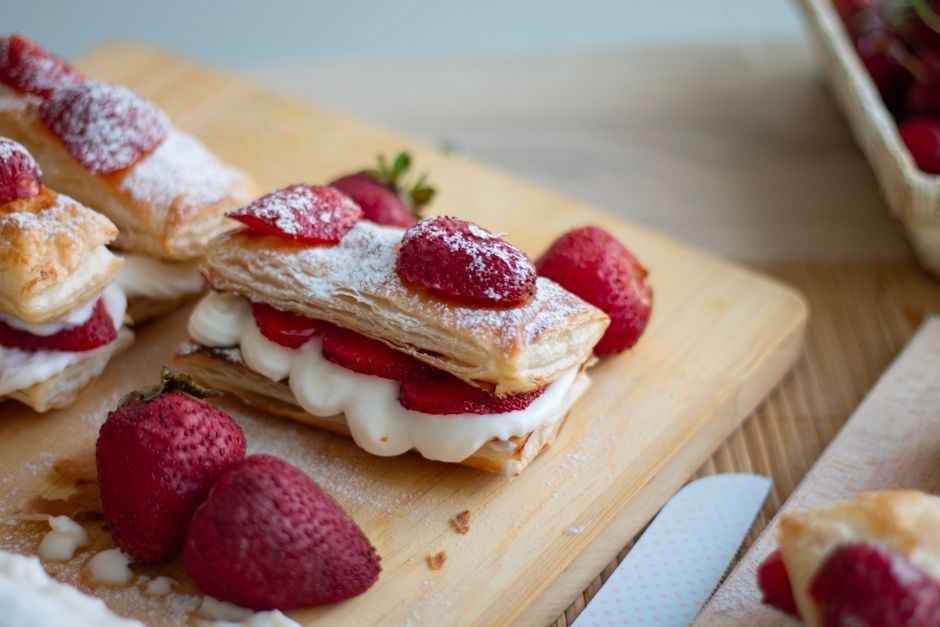
Air Fryer Toasting
Begin by preheating the air fryer to 350 °F (175 °C) for 3 minutes. Place the frozen toaster strudel on a paper‑towel‑lined basket, filling side up, ensuring it does not touch the walls to allow air circulation. Set the timer for 6 minutes on low‑medium heat. After the first 3 minutes, flip the pastry with a silicone spatula; this promotes even browning. Continue cooking for the remaining 3 minutes until the crust is golden and the filling is steaming. Avoid using metal utensils; a silicone or plastic tool is safest. Never leave the air fryer unattended during the process. If the pastry requires a slightly longer bake, add 30‑second increments rather than raising the temperature. Once removed, let the strudel rest on a cooling rack for 1 minute to allow the filling to set before applying icing or additional toppings. Store any leftovers in an airtight container to maintain crispness. Follow the appliance’s safety instructions, ensuring the cord remains dry and free from damage. This method delivers a crisp exterior while keeping the interior creamy and warm. Enjoy responsibly! A 350 °F setting is ideal higher temperatures risk burning the outer crust before the filling warms. Use a silicone spatula to lift the pastry; metal tools can short‑circuit the appliance. If the pastry starts to brown too quickly, lower the heat or reduce the cooking time by a minute. After cooking, allow the pastry to cool for a minute before slicing to prevent the filling from leaking. Remember keep toaster daily clean

Post-Toasting Tips
After toasting, let the pastry rest 1‑2 minutes to set the filling. Use a silicone spatula to remove it; avoid metal. Apply icing or toppings once slightly cooled. Store leftovers in an airtight container. Keep the toaster clean. Enjoy responsibly. Serve warm with a drizzle of honey for flavor today! soon!
Do Not Leave Unattended
Leaving a toaster or toaster oven unattended while heating a frozen pastry can lead to overheating, scorching, or even fire. The appliance’s heating element can quickly raise the internal temperature, and without continuous monitoring, the pastry’s outer crust may char while the filling remains cold. This uneven heating not only affects taste but also safety, as the rapid rise in temperature can cause the pastry’s wrapper to become brittle and crack, potentially releasing hot steam or crumbs that can ignite. Additionally, the toaster’s automatic shut‑off may not engage if the cycle is interrupted or if the appliance is overloaded with multiple items. To mitigate these risks, always stay in the kitchen or at least within arm’s reach while the toaster is operating. Check the pastry after each cycle, and if it appears under‑cooked, resume toasting for an additional cycle. If you must leave the area, consider using a timer to alert you when the cycle ends, and keep the appliance on a stable, heat‑resistant surface away from flammable materials. Finally, after the toaster has finished, allow the pastry to cool for a minute or two before handling it with a silicone or plastic utensil to avoid burns. By maintaining vigilance during the toasting process, you preserve both the pastry’s quality and your household’s safety. Remember, the key to a perfect toaster strudel is patience and attention; a quick glance every few minutes ensures a golden, evenly heated pastry that delights every palate for all ages and kin!!

Keep Frozen Until Ready
Storing the pastries in a sealed container or zip‑lock bag prevents freezer burn and preserves flavor. When you’re ready to toast, remove the pastry from the freezer and place it in the toaster or oven. Keeping the pastry frozen until the last moment ensures the filling stays creamy and the dough remains crisp. for a crisp bite. every time!!
When preparing a toaster strudel in a toaster oven, set the appliance to the lowest heat setting that still warms the pastry evenly. Most manufacturers recommend a low‑medium range, typically between 300°F and 350°F (150°C to 175°C). This temperature prevents the outer crust from burning while ensuring the cream cheese filling reaches a safe internal temperature of 165°F (74°C). Using a higher setting may cause the pastry to brown too quickly on the outside, leaving the center undercooked and potentially unsafe. The low‑medium range also preserves the flaky texture of the dough, avoiding a soggy or overly crisp result. Use a timer to monitor the process; most toaster ovens have a built‑in timer that can be set for 2–3 minutes. If your oven lacks a timer, use a kitchen stopwatch or a phone app to track the cooking time precisely. After the first cycle, check the pastry’s color and texture. If it has not yet achieved a golden‑brown hue, continue with a second cycle, ensuring you do not exceed the recommended maximum time of 5 minutes to avoid overcooking. Remember to keep the door slightly ajar during the first minute of heating to allow steam to escape, which helps prevent the pastry from becoming soggy. Once the pastry is golden and the filling is warm, remove it carefully with a silicone spatula or a plastic utensil to avoid damaging the delicate pastry. Let it cool for 30 seconds before adding any icing or toppings. This method ensures a safe, flavorful, and visually appealing result every time. If you wish to add a touch of extra flavor, lightly brush the pastry with melted butter before heating, but only if the manufacturer’s instructions allow it, as some fillings may become oily. After cooling, a sprinkle of powdered sugar can enhance the sweetness and add a subtle crunch. Always read the packaging for any warnings, such as not using metal utensils or not exceeding the maximum heating time, to avoid damaging the pastry or the appliance!!!
Preheat if Required
Many toaster ovens do not require a preheat step for small pastries like toaster strudels, but some models recommend a brief warm‑up to ensure even browning. If your appliance has a “preheat” button, press it for 1–2 minutes before inserting the frozen pastry. This warm‑up helps the crust crisp while the interior stays cold, allowing the filling to heat gradually. Avoid high temperatures; a gentle warm‑up at 250°F (120°C) suffices. If no dedicated preheat function exists, set the oven to the recommended low‑medium range (300°F–350°F) and let it reach that temperature before placing the pastry. After the oven stabilizes, insert the strudel on the middle rack, centered and not touching walls. Monitor the first minute; if the pastry browns too quickly, lower the temperature or move the rack down a notch. Once the oven reaches the target temperature, close the door and begin the standard toasting cycle. Keep the door slightly ajar for the first minute to release steam, preventing sogginess. After the cycle, remove the pastry with a silicone spatula, let it cool for 30 seconds, then add icing or toppings. Follow the packaging instructions for any special preheat recommendations, as some brands advise against it to preserve dough texture. By managing the preheat step carefully, you can achieve a uniformly browned exterior and a perfectly warmed filling every time. Enjoy the crisp, buttery flavor that makes breakfast effortless. Serve with a drizzle of honey or a sprinkle of powdered sugar for extra delight. Perfect for busy mornings. Enjoy your breakfast! Yummy!!
Set Temperature and Time
When using a toaster oven for a frozen toaster strudel, set the temperature to low‑medium, usually 300°F–350°F (150°C–175°C). After preheating, place the pastry on the middle rack and close the door. A typical cycle lasts 4–6 minutes; check the package for exact timing. For Pillsbury’s strawberry cream cheese, 5 minutes on low‑medium is recommended, while the cinnamon roll variant calls for 6 minutes. If your oven has a timer, pause at the 2‑minute mark to flip the pastry, ensuring even browning. Use a silicone spatula; metal utensils can damage the crust. When the timer ends, open the door briefly to release steam, then let the pastry rest 30 seconds before removing it. This rest allows the filling to settle, preventing a soggy center. Finally, add icing or toppings while the pastry is still warm for maximum flavor absorption. If you prefer a crunchier edge, extend the bake by 30 seconds; for a softer interior, reduce the time by 15 seconds. Keep a heat‑resistant glove when removing the pastry to avoid burns. Store leftovers in an airtight container to maintain freshness. If using convection, reduce the time by 20% to prevent over‑browning. Keep a small bowl of water nearby if the oven tends to dry out the pastry. Serve immediately or reheat briefly in a 300°F oven to revive crispness. Enjoy the aroma as the pastry finishes baking. Remember to let the pastry cool; mess and ensures a perfect bite every time for a crisp finish wow.
Add Icing or Toppings
Once the toaster strudel has finished toasting, allow it to rest for about thirty seconds to a minute; this brief pause lets the filling settle and prevents the icing from melting too quickly. For Pillsbury strawberry cream cheese pastries, add the provided strawberry icing immediately after the pastry has cooled slightly. Use a small spoon or a piping bag to drizzle or spread the icing evenly over the top, ensuring full coverage without over‑applying. When adding toppings such as fresh berries, nuts, or sea salt, do so after the icing has set slightly to keep the texture crisp. If you’re using a toaster oven, keep the door closed during the icing application to maintain heat and prevent the pastry from drying out. Once the icing or toppings are applied, let the pastry sit at room temperature for a few minutes before serving; this allows the flavors to meld and the icing to firm up. Serve immediately for the best experience, or wrap the finished pastry in parchment paper and store in an airtight container to preserve freshness. Enjoy the combination of warm, flaky pastry with a glossy, flavorful topping that enhances every bite. Let the glaze set for a moment before cutting, and serve with a side of fresh fruit for a complete breakfast treat. Enjoy! Delicious.